


Buying a used car in Salt Lake City gives you a lot of choices. You can compare different makes, model years, mileage ranges, features, body styles, and prices to find something that fits your budget and the way you actually drive.
The challenge is figuring out which vehicle is a good buy.
A used car can look great online and still have upcoming maintenance, a complicated history, worn tires, or other expenses you didn't expect. A little research before you buy can help you understand exactly what you're getting and feel more confident about your decision.
Here's what to look at as you shop.
Start With the Kind of Vehicle You Actually Need
Before comparing individual cars, think about your normal week.
Do you mainly commute around Salt Lake City? Are you driving kids around every afternoon? Do you regularly head through Parleys Canyon or up one of the Cottonwood canyons? Are skiing, camping, biking, or road trips a big part of your weekends?
Your routine can help narrow the field quickly.
A commuter may care most about fuel economy, comfort, and easy parking. A growing family may prioritize passenger space, cargo room, and driver assistance features. Someone who spends a lot of time in Utah's mountains may put more emphasis on all wheel drive, ground clearance, and good tires.
You can browse Salt Lake Mitsubishi's current used vehicle selection to compare different brands, prices, mileage ranges, and body styles.
What Should You Check When Buying a Used Car?

There are a lot of details to look at, but a few tell you much more about a vehicle than others.
You don't need to be a mechanic to look closely at a used vehicle. You're mainly trying to build a complete picture of how the car has been treated and what expenses might be coming.
How Much Mileage Is Too Much?
Mileage is one of the first numbers most people look at, but it doesn't tell the whole story.
A vehicle with higher mileage and a strong maintenance history may be in better condition than a lower mileage vehicle that hasn't been maintained consistently.
Look at mileage alongside:
- Vehicle age
- Service records
- Overall mechanical condition
- Previous accidents
- Driving history when available
- Tire and brake condition
- Model reputation
- Asking price
You also want to think about how many miles you plan to add.
A driver with a short Salt Lake City commute may view a higher mileage vehicle differently from someone driving 20,000 miles every year.
For example, buying a vehicle with 90,000 miles may feel like a lot if you're planning to put another 25,000 miles on it each year. That same vehicle could make much more sense for someone who only drives 8,000 miles annually and has documentation showing consistent maintenance.
Review the Vehicle's History and Title
Ask to review available vehicle history information before buying.
Look for reported accidents, ownership changes, major repairs, title concerns, and anything else that may affect the vehicle's condition or future value.
Pay particular attention to title status.
A rebuilt title, for example, means the vehicle has a different history from one with a clean title. It generally indicates that the vehicle was previously declared a total loss and later repaired before being approved for use again.
That history can affect:
- Insurance options
- Financing
- Resale value
- Future trade value
- Your comfort level with the vehicle
A rebuilt title doesn't automatically tell you the quality of the current vehicle. It does mean you should understand the previous damage and repairs before making a decision.
Take a Real Test Drive

A five minute drive around the parking lot won't tell you much.
Try to drive the vehicle in conditions that resemble your normal routine. Get it up to normal road speed. Brake several times. Turn in both directions. Pay attention while accelerating and slowing down.
During the drive, check for:
- Unusual engine or road noise
- Steering wheel vibration
- Pulling to one side
- Rough shifting
- Weak braking
- Warning lights
- Suspension noises over bumps
- Poor visibility
- Uncomfortable seating
Spend a few minutes testing the features too.
Connect your phone. Check the backup camera. Turn on the heat and air conditioning. Try the windows, locks, seats, lights, and infotainment system.
A car can be mechanically sound and still be a poor fit if you don't like driving it every day.
Try sitting in every seating position you'll regularly use too. If you're shopping for a family vehicle, check rear seat room. If you carry equipment or luggage, open the cargo area and make sure the space actually works for you.
Consider a Pre Purchase Inspection
If you want another opinion on a used vehicle, a professional inspection can provide valuable information.
A technician may be able to identify issues that aren't obvious during a test drive, such as:
- Fluid leaks
- Suspension wear
- Brake wear
- Tire problems
- Battery concerns
- Previous repair work
- Upcoming maintenance needs
This can be especially helpful with an older vehicle, a private sale, or a car without a detailed maintenance history.
Knowing that a vehicle may need brakes or tires soon doesn't necessarily mean you shouldn't buy it. It gives you more information to consider when deciding if the price makes sense.
Set a Budget Based on the Full Cost of Ownership
The purchase price is only one piece of your budget.
Think about the other expenses you'll have after you bring the vehicle home:
- Monthly loan payment
- Auto insurance
- Fuel
- Registration
- Routine maintenance
- Tires
- Repairs
- Parking and commuting expenses
If you're financing the purchase, look at the amount financed, interest rate, loan term, down payment, and total repayment.
A monthly payment tells you what leaves your bank account each month. Looking at the entire loan gives you a better picture of what you're committing to over time.
You can review Salt Lake Mitsubishi's financing resources before you choose a vehicle.
For more information about auto loans and leasing, [PILLAR LINK: Understanding Your Car Financing and Leasing Options in Utah].
Know What Your Current Vehicle Is Worth
If you plan to trade in a vehicle, research its value before you start working through your next purchase.
Gather information such as:
- Current mileage
- Trim level
- Vehicle condition
- Equipment and features
- Service history
- Current loan payoff amount
You can also get an estimated value for your current vehicle before visiting the dealership.
Two terms are useful to understand here.
Positive equity means your vehicle is worth more than the amount you still owe.
Negative equity means you owe more than the vehicle's current value.
For example, if your vehicle is worth $15,000 and you owe $10,000, you have about $5,000 in positive equity. If it's worth $15,000 and you still owe $18,000, you have about $3,000 in negative equity.
Knowing those numbers early makes the rest of the buying process much easier to understand.
Ask Questions Before You Buy
Don't worry about asking too many questions.
A used vehicle is a major purchase, and you should understand its history and condition before you commit.
Useful questions include:
- How long has the vehicle been available?
- Is there a vehicle history report?
- Has it been in any reported accidents?
- What maintenance has recently been completed?
- Are there any known mechanical issues?
- How old are the tires?
- Are both keys included?
- Is there any remaining warranty coverage?
- Are there upcoming services I should plan for?
- What fees will be included in the final purchase price?
You may think of additional questions once you've driven the vehicle. Ask those too.
A knowledgeable salesperson should be able to help you understand the vehicle or find the information you need.
Compare More Than One Used Car
Even when the first vehicle looks promising, compare it with a few alternatives.
You may find a slightly newer vehicle with fewer miles for a similar price. Another option may have better service records or features you'll use every day.
Here's a simple way to compare your top choices:
Price matters. Mileage matters. Condition, history, equipment, and maintenance matter too.
Looking at the entire package helps you avoid choosing a vehicle based on one attractive number.
New vs. Used Cars
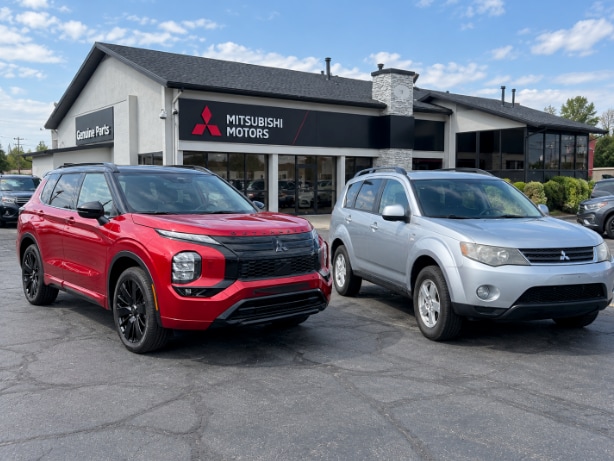
Some shoppers start looking at used vehicles and realize a new vehicle may also fit their budget. Others begin with new inventory and find that buying used gives them more features for the amount they want to spend.
Used vehicles can offer benefits such as:
- Lower purchase prices in many cases
- More choices within a specific budget
- Access to higher trim levels for less money
- Slower depreciation after the earliest years of ownership
New vehicles may appeal to shoppers who prioritize:
- Full new vehicle warranty coverage
- The latest technology
- Current safety features
- No previous ownership history
- Current manufacturer incentives
It's worth comparing both if your budget allows.
Can You Negotiate a Used Car Price?
Used vehicle pricing depends on the individual car and current market.
Before discussing price, research comparable vehicles and look at the condition, mileage, equipment, history, and any maintenance the vehicle may need.
If you're comparing prices, make sure the vehicles are genuinely similar.
A vehicle with fewer miles, a higher trim, newer tires, better maintenance history, or additional equipment may reasonably cost more than another vehicle from the same model year.
Good research gives you a much stronger starting point for the conversation.
Should You Consider a Certified Pre Owned Mitsubishi?
If you're interested in a Mitsubishi, you may also want to compare traditional used vehicles with Certified Pre Owned options.
Certification programs have specific vehicle eligibility, inspection, and coverage requirements. Review the details for the exact vehicle you're considering so you understand what's included.
You can see current Certified Pre Owned Mitsubishi vehicles available at Salt Lake Mitsubishi.
A Certified Pre Owned option may make sense if you're looking for a newer used Mitsubishi and place extra value on the manufacturer's certification process and included program benefits.
Think About Utah Driving Conditions
Salt Lake City drivers deal with several different driving environments throughout the year.
You may face snow and ice during winter, hot temperatures during summer, freeway commuting, mountain roads, and elevation changes.
Think about how your potential vehicle fits those conditions.
For winter driving, pay particular attention to tire condition. All wheel drive can also be useful for drivers who frequently travel through snowy areas or into the mountains.
If you're shopping for an SUV, consider how often you'll actually need extra cargo room, ground clearance, or available all wheel drive.
The right vehicle for someone commuting a few miles around Salt Lake City may be very different from the right vehicle for someone who spends every weekend driving into the Wasatch Mountains.
Think About Ownership After You Leave the Dealership
A good used car decision should still make sense a year after you buy it.
Plan for routine maintenance. Check your tires regularly. Follow recommended service intervals. Pay attention to warning lights and changes in how the vehicle drives.
Utah's summer heat, winter weather, freeway commuting, and mountain driving can all put different demands on a vehicle.
Mitsubishi owners can learn more about keeping their vehicle in good shape in [PILLAR LINK: The Complete Mitsubishi Maintenance Guide for Salt Lake City Drivers].
Used Car Buying FAQ
What should I check first when buying a used car?
Start with the vehicle's history, title, mileage, maintenance records, overall condition, tires, and brakes. Follow that with a thorough test drive.
How many miles is too many for a used car?
There's no single mileage cutoff. Vehicle age, maintenance history, condition, model, previous use, and price all matter.
Should I get a used car inspected before buying?
A professional inspection can be especially useful when you're buying an older vehicle, purchasing privately, or dealing with limited service history.
Can I finance a used car?
Yes. Financing options are available for many used vehicle purchases. Your rate and terms can depend on your credit profile, lender, vehicle, loan amount, down payment, and other factors.
Find Your Next Used Car in Salt Lake City
The best used car for you is one that fits your budget, driving habits, space needs, and plans for the next several years.
Take your time. Compare vehicles, research their histories, take meaningful test drives, and look at the full cost of ownership before making your decision.
When you're ready to start looking, browse the used cars, trucks, and SUVs currently available at Salt Lake Mitsubishi.
Categories:
Pre-Owned Inventory